
As we rolled into April, we were fortunate to receive 1.12” of rain early in the week. This brings our season total to 28.21 inches of rainfall. As you can see below most of that was in the early portion of our rainy season.
- October – December: 26.02’
- Jan – March: 2.19”
The positive being the course played great during the winter season, but unfortunately the reservoirs did not adequately replenish for the third year in a row. Along with January – March being the driest on record, this year was the earliest we had to start irrigating, so mandatory use restrictions are highly probable. When and if this happens, we will communicate planned priorities regarding water allocation use. As I write this today, we are expecting some additional rain, but we are heading into the summer months in another drought year.
As you will note on the April calendar, we performed our spring organic control aeration on the putting surfaces April 12-13. This process is extremely important for the long-term success of our greens. The number one reason for core aeration is the physical removal of organic matter, which enables us to replace this material with uncontaminated sand. If we do not perform this practice on a consistent basis, the organic matter levels will increase causing problems with the physical soil properties of the putting surfaces. This will lead to other problems such as disease, shallow rooting and most importantly to the golfer a soft, spongy playing surface. See picture below:
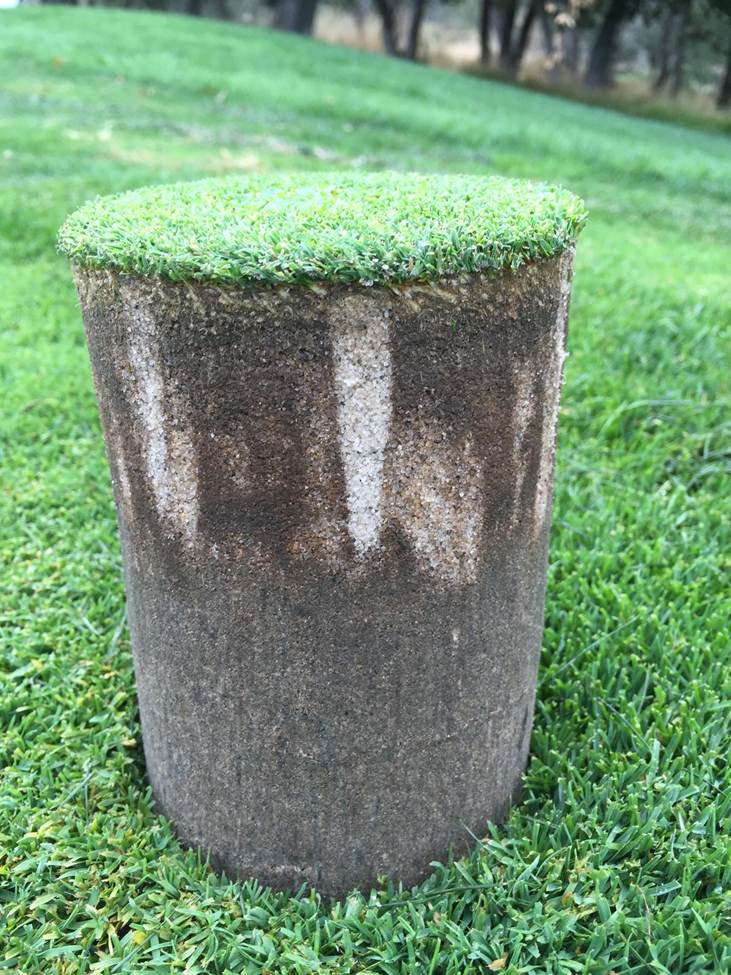
The grass is constantly producing organic matter through the normal growth process, so core aeration along with the need to input fresh sand into this environment will continue to be the most important cultural practice performed on a golf course to maintain quality putting surfaces. We appreciate your understanding and patience during this procedure.
Several members have asked me about the different colors of the turf on our putting surfaces and even heard one comment saying it was a disease. Fortunately, the disease comments are incorrect. The green surfaces here are going on 34 years of age and the soil profiles are older than that. What you’re seeing are the different biotypes of Poa annua that have developed over the years and segregation of the bentgrass species that these surfaces were originally seeded to during the 1988 renovation. To change this and have a monostand of turf, we would have to close the course and renovate the putting surfaces including the subterranean infrastructure. The unfortunate portion being that Poa annua is more susceptible to disease versus Bentgrass so we are constantly monitoring weather patterns for conditions that are conducive to disease, along with tracking any symptoms so we can treat appropriately.
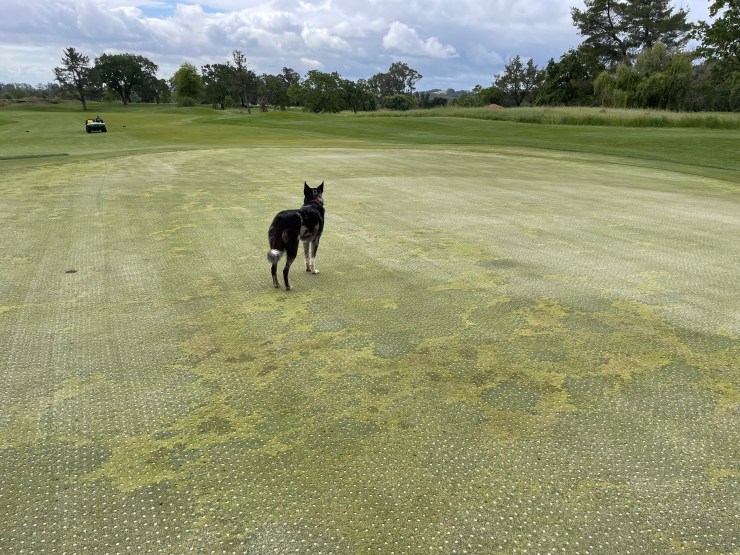
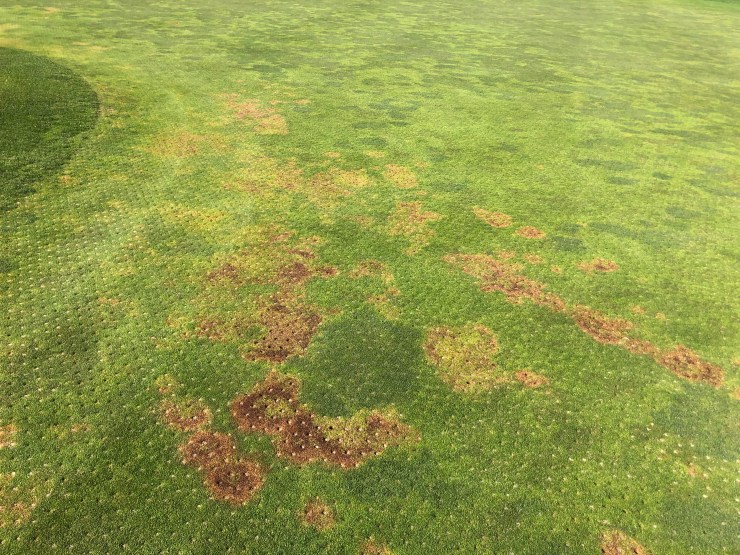
Hopefully this gives you some insight into our current putting green infrastructure.
Yours in turf,
Stacy L. Wallace, Golf Course Superintendent
 Sonoma Agronomy
Organic matter primarily being snow mold, correct?
LikeLike
Snow mold is a type of fungus, not the organic matter that we are discussing. The accumulation of organic matter in the top 1-3 inches is the result of the natural growing process of the turf. Organic matter refers to the large source of carbon-based compounds found within natural and engineered, terrestrial, and aquatic environments. In the scenario of a putting surface, it is matter composed of organic compounds that have come from the remains of organisms such as plants (turf) and our water pulled from the irrigation ponds. Hopefully this provides you some insight on organic matter as it relates to a putting surface.
LikeLike